How Biometric Screening Advances Are Reshaping Entry Protocols for Private Gaming Salons in State-Licensed Venues
Sam Friedrich · Oct 14, 2026
How Biometric Screening Advances Are Reshaping Entry Protocols for Private Gaming Salons in State-Licensed Venues
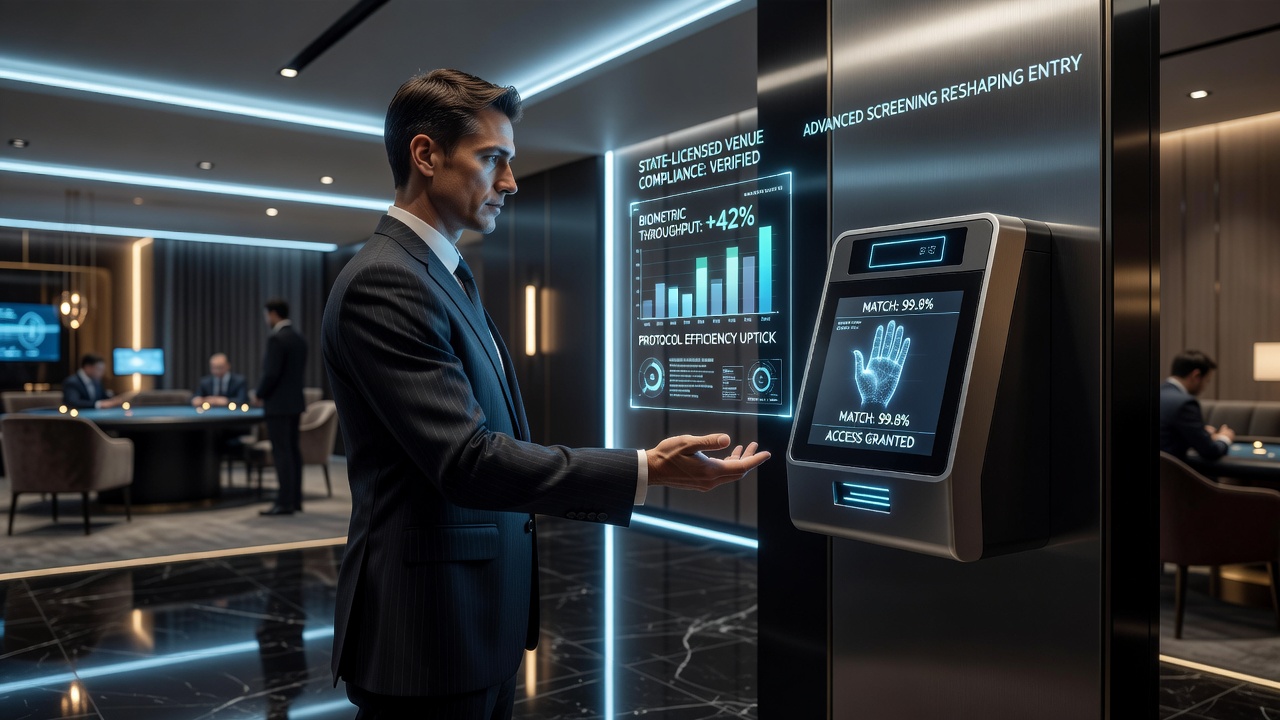
State-licensed venues across multiple jurisdictions have integrated biometric screening technologies into entry protocols for private gaming salons, and these systems rely on fingerprint matching, facial recognition algorithms, and iris scanning to verify patron identity before granting access. Data from regulatory filings shows that facilities in Nevada and New Jersey began pilot programs in 2023, while additional states adopted similar measures through 2025. By October 2026 several venues report full deployment of multimodal biometric checkpoints that combine two or more verification methods during a single scan sequence.
Core Technologies Driving Protocol Changes
Advances in sensor accuracy and processing speed allow venues to reduce average entry times from several minutes under traditional ID checks to under 15 seconds in many documented cases, while operators link these systems directly to state databases for real-time license validation. Researchers at the University of Nevada, Reno documented error rates below 0.1 percent for fingerprint readers in controlled casino environments, and facial recognition platforms now incorporate 3D depth mapping that distinguishes between live subjects and photographs or masks. Venues integrate these tools with existing player tracking databases so that once a patron completes initial enrollment, subsequent visits trigger automatic profile retrieval without manual input.
Regulatory Alignment Across Jurisdictions
State gaming commissions require biometric data storage to meet encryption standards outlined in updated compliance manuals issued in 2024, and operators must obtain explicit patron consent before enrollment. The Nevada Gaming Control Board published guidelines that specify audit trails for every access attempt, while similar rules in Pennsylvania and Michigan tie biometric approval to responsible gaming exclusion lists. Observers note that these mandates create uniform data-handling practices even as individual venues customize hardware layouts to fit salon floor plans.
Implementation Patterns in Private Gaming Areas
Private gaming salons, which typically restrict access to invited or high-limit patrons, now use biometric gates as the primary control point rather than staffed podiums. Facilities in Atlantic City installed turnstile-style readers that capture palm vein patterns, and data collected through mid-2026 indicates a 40 percent drop in unauthorized entry attempts compared with badge-only systems. Operators in Mississippi riverboat casinos adopted portable tablet-based scanners that staff carry to VIP tables, allowing verification without requiring patrons to leave their seats. These configurations maintain separation between public casino floors and restricted salons while satisfying state-mandated age and identity checks.
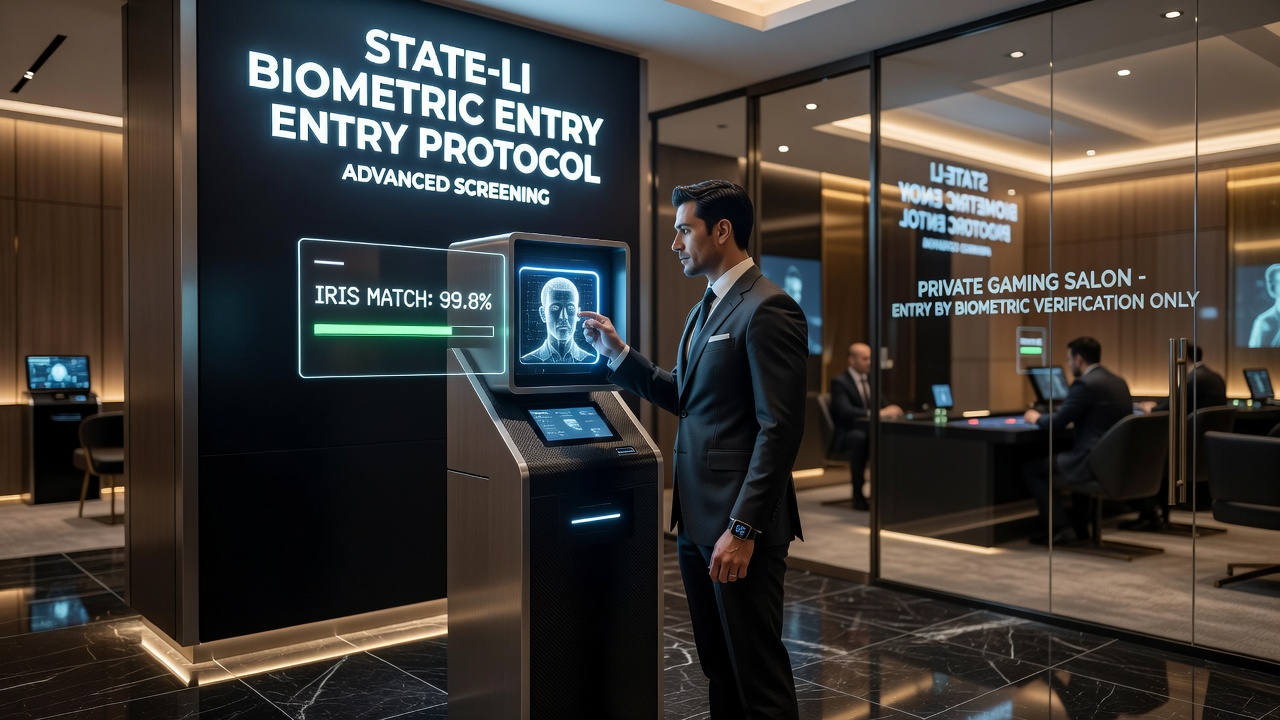
Integration with loyalty programs occurs through encrypted matching that links biometric templates to player accounts, enabling automatic comp calculations and exclusion enforcement without exposing personal details to floor staff. One study released by the Canadian Gaming Association in 2025 examined eight properties and found that biometric systems processed 12,000 daily entries with fewer than five manual overrides per site. Venues report that the technology also supports capacity management by logging real-time occupancy data that feeds into state reporting portals.
Data Security and Patron Enrollment Procedures
Enrollment stations collect multiple biometric samples during the first visit, then store hashed templates rather than raw images to limit exposure if systems are compromised. Facilities must provide patrons with written explanations of data retention periods, which range from 90 days to seven years depending on jurisdiction. In October 2026 several properties began testing cloud-based verification services that keep templates off-site yet still comply with state encryption requirements. Operators coordinate with third-party vendors to run annual penetration tests, and results feed into compliance reports submitted to gaming control agencies.
Operational Outcomes Reported by Venues
Venues using these systems document fewer incidents of counterfeit identification and faster resolution of disputes over entry denials because digital logs capture exact timestamps and match scores. Staff training programs now emphasize system troubleshooting rather than visual ID inspection, and labor hours allocated to entry control have declined at properties that track such metrics. Figures released by the National Indian Gaming Commission show that tribal facilities adopting similar protocols experienced parallel reductions in manual verification steps.
Future Integration Points
Developers continue refining algorithms to handle variations in lighting and skin conditions that previously caused higher rejection rates, and some venues plan to combine biometric entry with mobile wallet authentication for cashless salon access. Regulatory bodies in additional states have scheduled review periods through late 2026 to evaluate whether current standards remain sufficient as technology evolves. Those who monitor implementation note that the combination of improved accuracy and streamlined workflows has shifted focus from basic access control toward broader security and compliance objectives.
Conclusion
Biometric screening has become a standard component of entry protocols for private gaming salons in state-licensed venues, supported by measurable gains in verification speed and data integrity. Continued hardware and software refinements, alongside consistent regulatory oversight, sustain the transition from legacy identification methods to automated systems that align with current compliance frameworks.